Work gloves, picked by hazard, rating, and fit
HPC Gloves is an independent reference site for work gloves and hand protection, written for tradespeople, safety buyers, and serious DIYers. Decode ANSI and EN 388 ratings, match a polymer to the chemical on your SDS, and size a glove that holds up through a full shift instead of getting pulled off mid-task.

Pick a glove in 30 seconds
Skim the row that matches the task, then open the guide for the full rating, coating, and cuff notes. Cut levels below are starting points, not certificates.
| If you handle | Start here | Look for |
|---|---|---|
| Cardboard, cartons, light warehouse stock | Cut-resistant guide (A1 to A2) | PU or foam nitrile palm, snug knit wrist |
| Sheet metal, plate glass, sharp stampings | Cut-resistant guide (A4 to A6) | HPPE or composite yarn liner, nitrile foam grip |
| Oils, fuels, solvents, acids, caustics | Chemical guide | Nitrile, neoprene, or butyl per the SDS chart |
| Sparks, spatter, MIG, stick, or TIG heat | Welding guide | Leather or aramid, gauntlet cuff, matched to process |
| Engine bays, oily bolts, knuckle impact | Mechanic and impact guide | TPR knuckle guards, sandy nitrile palm |
| Framing, rebar, demo, concrete | Construction guide | Cut liner plus abrasion-rated palm, kitted by phase |
Start with the hazard
Type guides cover the main hand PPE categories you will shop for on a job site or shop floor.
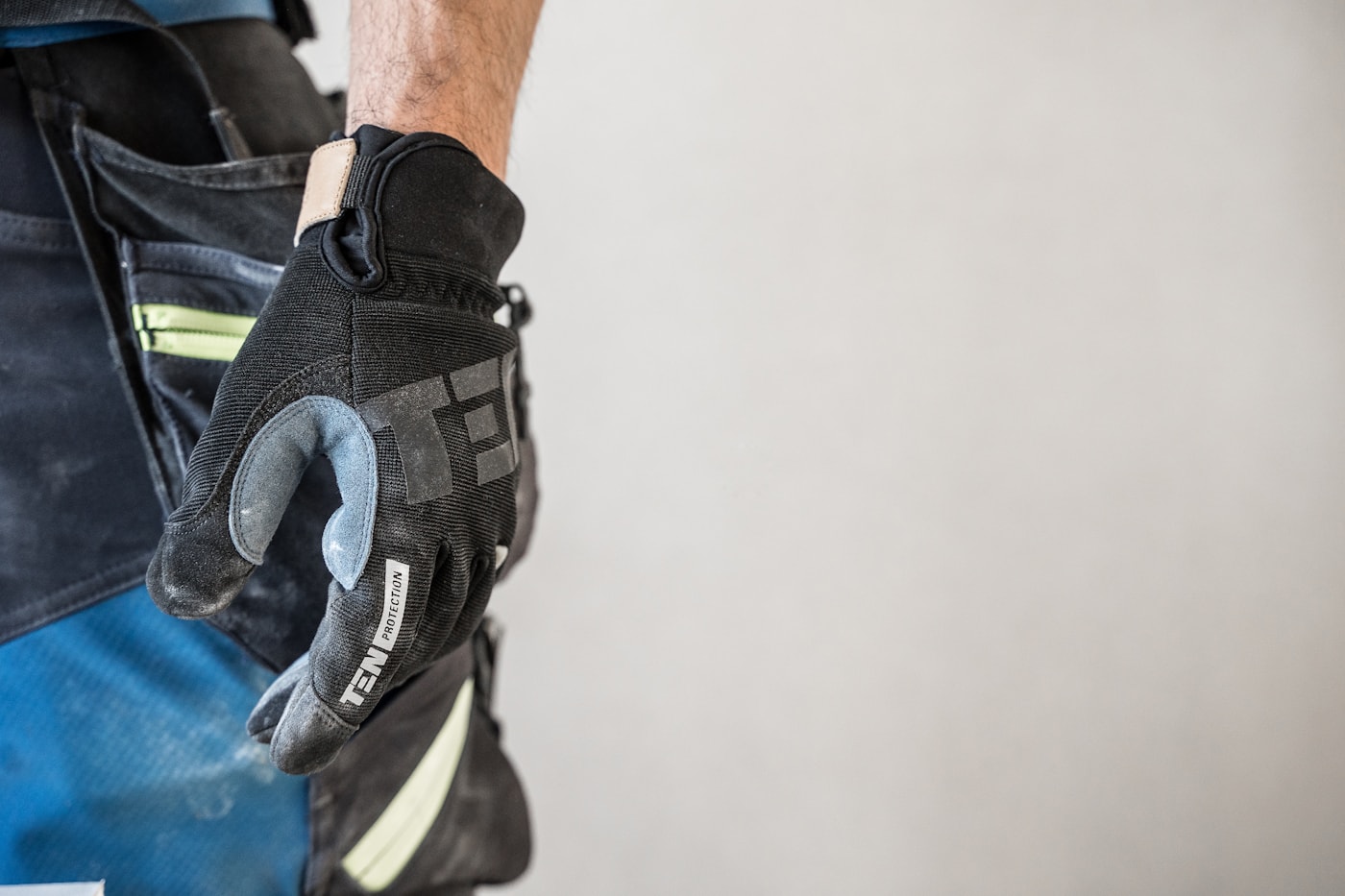
Cut-resistant gloves
Match ANSI/ISEA cut levels to blades, sheet metal, and glass work.

Chemical-resistant gloves
Nitrile, neoprene, butyl, and when a disposable is not enough.

Welding gloves
Heat, sparks, and the dexterity tradeoff by process.
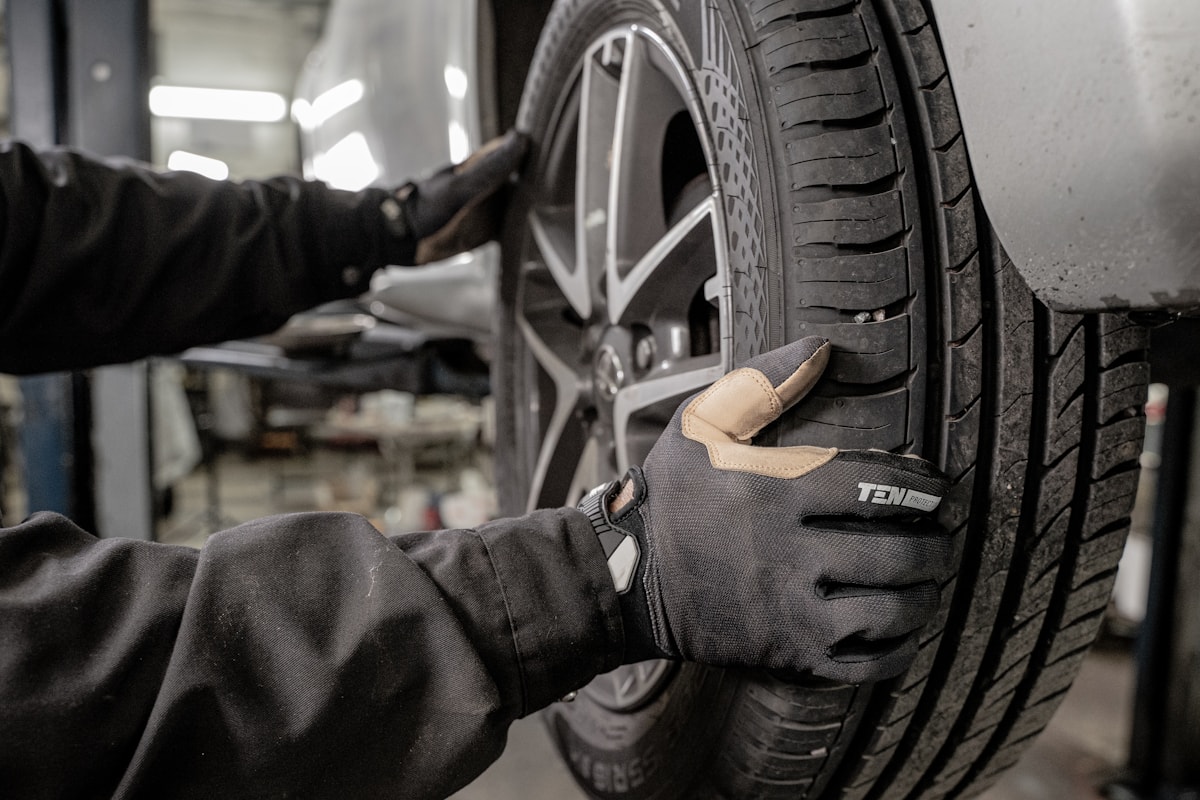
Mechanic & impact gloves
Knuckle protection, grip, and oil-resistant palms for shop work.
Standards & fit first
Ratings and sizing are the boring parts that prevent expensive mistakes.

How to choose a work glove
Five checks that keep crews out of the wrong case of gloves.
Cut, puncture, chemical splash, heat, impact, cold, or abrasion and grip.
For cut risk, start with ANSI/ISEA cut levels and EN 388. Open guide
High cut levels mean little if you cannot feel a fastener or tool.
Use the size chart so the glove stays put without pinching. Open guide
Retire pairs that are cut, stiff, contaminated, or worn through on the palm.
FAQ
Short answers for buyers who need the rule of thumb before a full guide.
What is HPC Gloves?
HPC Gloves is an independent reference site for work gloves and hand protection. It explains glove types, ANSI/ISEA cut levels and EN 388 ratings, sizing, and job-based selection so tradespeople and safety buyers can match protection to the real hazard. It does not test gloves or publish product rankings.
How do I choose cut-resistant gloves?
Identify the sharp hazard first, then pick an ANSI/ISEA cut level that covers that risk without overshooting dexterity needs. Use the cut-resistant guide and the ANSI cut levels reference on this site before you buy.
What do ANSI cut levels A1 through A9 mean?
ANSI/ISEA 105 cut levels A1 through A9 rate how much force a glove material resists before a blade cuts through in a standardized test. Higher letters mean higher cut resistance. Pair the level with grip, cuff style, and comfort for the task.
How should I size work gloves?
Measure hand circumference around the knuckles (excluding the thumb) and hand length from wrist crease to middle fingertip. Compare both numbers to a size chart. A glove that is too loose reduces grip and cut protection; one that is too tight causes fatigue.
Are these guides from a glove manufacturer?
No. HPC Gloves is an independent editorial site. It is not a manufacturer, distributor, or certification body. Product examples and brand mentions are for education only.
How often should work gloves be replaced?
Replace any glove the moment it is cut through, contaminated by a chemical it was not chosen for, stiffened by heat or solvent, or worn smooth on the palm. For cut-resistant knit gloves, a visible slice in the liner ends the pair, even if the coating still looks fine. Set a change schedule by task, not by calendar.
What is the difference between cut-resistant and puncture-resistant?
Cut resistance is how well the material resists a sliding blade, rated by ANSI/ISEA 105 or EN 388 cut tests. Puncture resistance is how well it resists a pointed probe pressing straight in. A high cut level does not guarantee puncture resistance against needles, nails, or wire, and the two are tested on separate equipment.